

What a boring business is and why it works
A boring business is one nobody brags about online but that collects money every month: a laundromat, a repair shop, a cleaning company, a vending route, a self-storage facility. No hype, no funding round, no need to educate the market. Someone has been paying for that service for twenty years and will keep paying next month.
That predictability is exactly what an investor wants. In a startup the main risk is that nobody wants the product. In a profitable boring business the risk is operational: running it badly. The first risk is outside your control; the second one is not.
- Steady cash flow and recurring customers.
- Stable demand, barely affected by trends.
- Easy to automate with software and AI.
- Room to grow and buy the next one for decades.
“Buy cash flow, not just ideas. Boring main-street businesses create more millionaires than startups do.”
Why now is the best moment to buy
Over the coming years, millions of small business owners will reach retirement age. Many run profitable businesses built over 20 or 30 years with nobody to hand them to: their children do not want to continue, they never digitized, they use no AI, they have no online presence and they run everything manually, often on paper.
That is the opportunity. You do not need to reinvent the business: you only need to make it 10 or 20% better. A decent website, Google reviews, mobile payments, a CRM and revised prices are usually enough to move profit meaningfully in the first year.
“Acquiring a profitable company offers better odds than starting from scratch: the customers, the revenue and the processes already exist.”

The strategy: generate cash, buy, automate, repeat
The sequence is simple and works the same with €500 or €500,000: you generate cash flow with a cheap-to-start business, buy a small existing business, automate it, increase profits and use that cash to buy the next one. That is how many people build serious wealth without ever launching a new product.
Order matters. Starting with the expensive business before you know how to sell is the fastest way to run out of capital. Starting with the one that teaches you to sell is the fastest way to fund all the others.
- 1. Generate cash flow with a low-capital business.
- 2. Buy a small business that is already profitable.
- 3. Automate and digitize it with AI.
- 4. Increase profit and margins.
- 5. Reinvest that cash into the next business.
Indicative average values in USD for a running, well-managed business.
1. Growth marketing agency (sales only)
Investment: $0–500. If I started from scratch today, this would be my first business. No employees, no designers, no developers, no campaigns to run. You only need to bring clients. Thousands of agencies are looking for people who can source business and pay a recurring commission for it.
You bring the client, the agency delivers the service and you get paid monthly while the client stays. With just 10 clients you can generate $3,000–8,000 a month depending on the service. Estimated time to stable income: 3 to 9 months.
- You can specialize in SEO, Google Ads, Meta Ads, AI, web development, automation or CRM.
- You learn the single most important skill of any entrepreneur: selling.
- Typical case: one founder, a laptop, LinkedIn, email and a lot of prospecting before hiring anyone.

| Business | Upfront capital | Timeline | Monthly potential | Automation |
|---|---|---|---|---|
| Growth marketing agency | $0–500 | 3–9 months | $3,000–10,000 | ★★★★★ |
| Specialized vending | $2,000–8,000 | 6–18 months | $2,000–15,000 | ★★★★☆ |
| House flipping | Variable | 12–24 months | 15–30% per deal | ★★★☆☆ |
| Self-service laundromat | $40,000–150,000 | 12–24 months | $5,000–30,000 | ★★★★★ |
| Self storage | $150,000+ | 2–5 years | $20,000+ | ★★★★★ |
2. Specialized vending machines
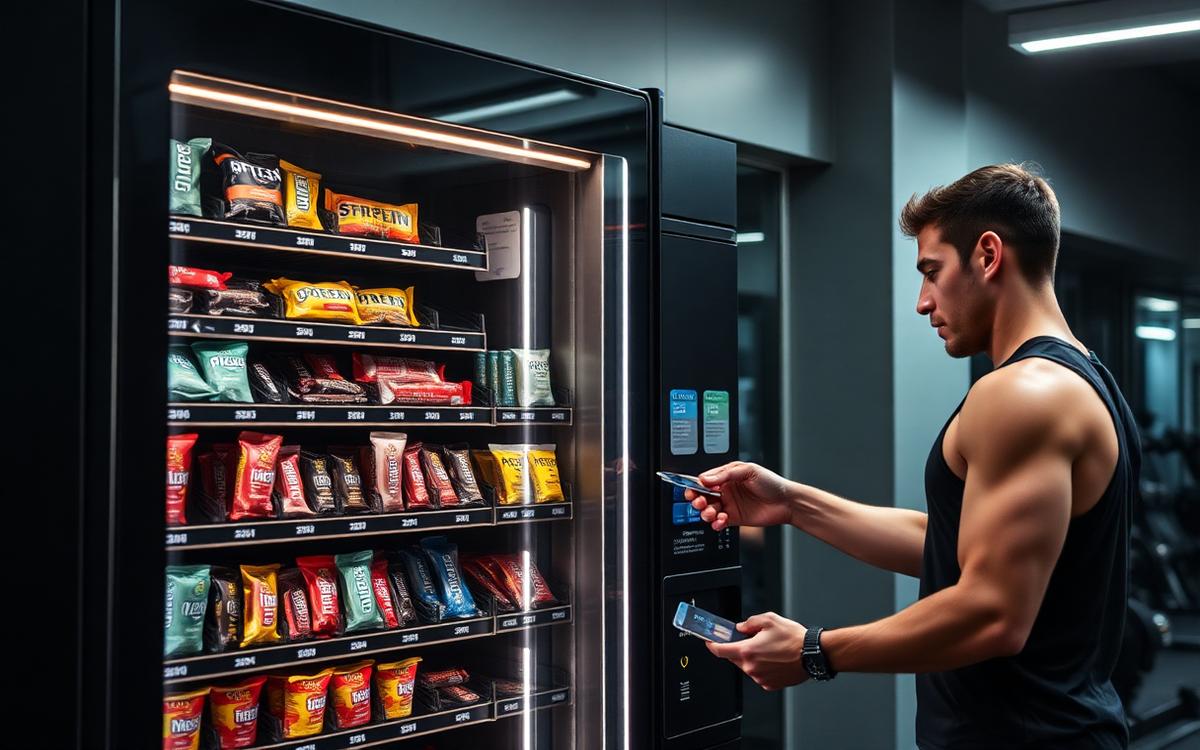
Investment: $2,000–8,000. Forget the classic soda machine: today the money is in specializing by location. Gyms (protein, creatine, amino acids, energy drinks, bars), hotels (chargers, adapters, premium snacks, travel kits), hospitals (hygiene, coffee, water), pet spots (treats, bags, toys, balls), sports clubs (balls, towels, isotonic drinks) and beaches (sunscreen, sunglasses, water, towels).
Specialization means a higher average ticket, less competition and better margins. Time to stable income: 6–18 months. You can buy machines that already have a location contract, which is the hard part of this business.
How to increase profits
- Card and mobile payments on every machine.
- Smart cameras and remote inventory control.
- AI to forecast restocks and avoid empty routes.
- Location-based pricing instead of a single price.
3. House flipping
Many think the business is renovating houses. It is not: the business is buying well. The renovation only unlocks value that was already in the purchase price. The return comes from spotting deals others miss: inheritances, divorces, bank repossessions, badly deteriorated properties and up-and-coming areas.
Typical returns run between 15% and 30% per deal, with a 12 to 24 month cycle once you count sourcing, works and sale. It is the least passive business on the list and the one that locks up the most capital, but also the one where a well-bought deal compounds fastest.
- The margin is earned the day you buy, not the day you sell.
- Budget works with a 20% buffer: something always shows up.
- A known reference: Tarek El Moussa started buying and renovating homes after the 2008 crash and turned that strategy into a real estate company.

4. Self-service laundromats
Investment: $40,000–150,000. It is a favorite among investors because it practically runs itself: customers pay before using the service, there is no complex inventory, no accounts receivable and almost everything can be automated. Time to maturity: 12–24 months.
The smart move is not building one from scratch but buying a laundromat whose owner wants to retire. Often you do not even need to replace the machines: you just need better management.

How to modernize an old laundromat
- Mobile payments and online booking.
- AI cameras and predictive maintenance sensors.
- Dynamic pricing by time slot.
- Automated Google reviews, CRM and a loyalty program.
5. Self storage (the bonus once you already have cash)
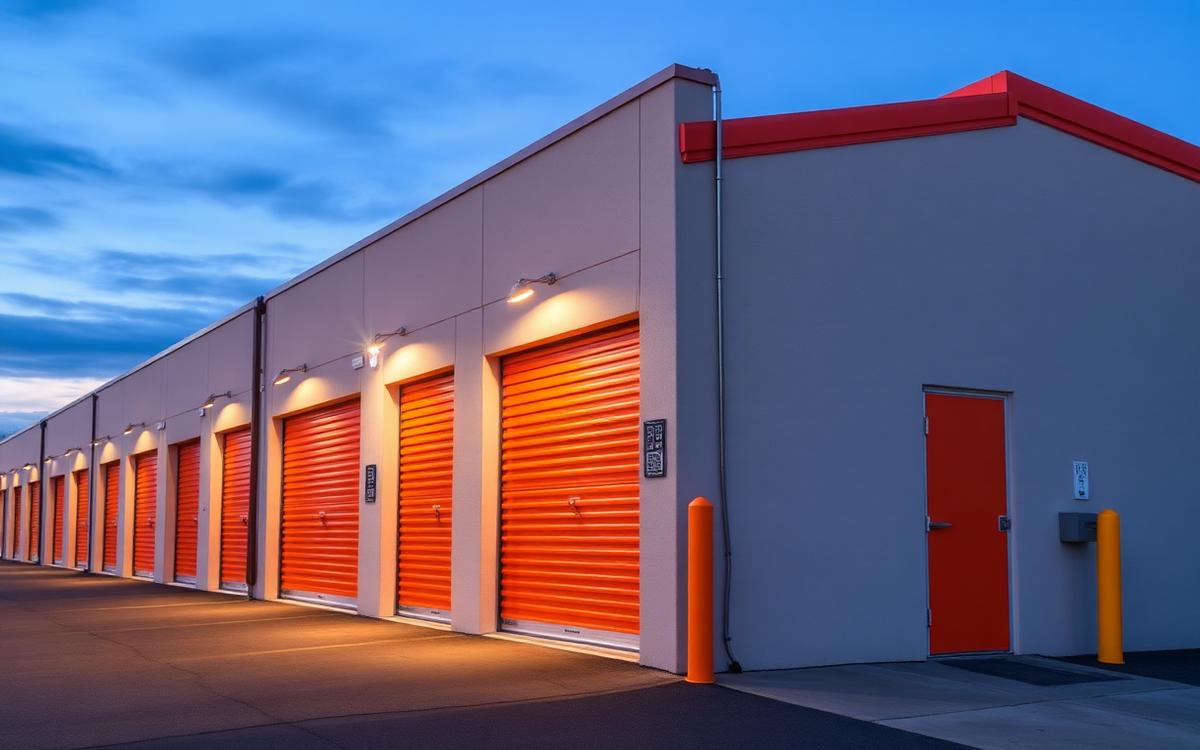
Investment: $150,000 or more. I would not use it to start; I would buy it once I already had cash flow. It is probably one of the most passive businesses in the world: customers pay monthly, visits are rare, maintenance is low and everything can be automated. Realistic horizon: 2–5 years to optimal occupancy.
How to automate it almost entirely
- QR access and electronic locks.
- Mobile app and automatic recurring billing.
- Smart cameras and AI customer support.
What the best investors actually do
The best operators rarely build from zero. They buy boring, profitable businesses and then automate them, digitize them, improve the marketing, add AI, adjust prices and upgrade the customer experience. Then they repeat the process with the cash it throws off.
None of those steps requires genius. They require judgment and consistency, which is exactly what is missing in most businesses currently for sale.
“It's far better to buy a wonderful company at a fair price than a fair company at a wonderful price.”
From business to your number: how this speeds up your freedom
The goal is not owning a business: it is building wealth. Every business you buy is not just income, it is an asset on your balance sheet and a machine that raises your savings rate. And your savings rate is the variable that dominates how many years you still owe the system.
With €3,000 a month in spending, your number sits around €900,000 at a 4% safe withdrawal rate. If your job lets you save €1,000 a month, it takes decades. If a boring business adds €2,000 net a month and you reinvest all of it, the same goal moves more than ten years closer. That is what cash flow does: it does not make you rich, it buys you time.
- Start with a business you can launch cheaply and learn how to sell.
- Reinvest every euro of profit instead of upgrading your lifestyle.
- Buy an existing business and modernize it with technology and AI.
- Use that cash to acquire the next one and repeat the cycle.
€900,000 goal (€3,000/mo at 4%), €1,000/mo base saving and a 5% real annual return.
“We buy profitable, boring businesses, let their teams run them and give them decades to grow. That builds more wealth than chasing the next big idea.”
Real case: €118,000 to buy a laundromat and €4,900 a month in cash flow
Rubén, a 36-year-old engineer, bought a neighbourhood laundromat in 2023 from a retiring owner: €118,000 (€35,000 of his own money, the rest financed), €6,100 monthly revenue and €4,900 operating profit after costs.
In twelve months he digitized payments, installed occupancy sensors and automated local marketing: revenue rose 22% with the same machines. He reinvests €2,500 a month into his index portfolio, pulling his financial freedom forward by over nine years compared with his previous salary-only plan.

How to value a boring business before you sign
The rookie mistake is looking at revenue. What you're buying is a cash flow, so the reference metric is SDE (Seller's Discretionary Earnings): net profit plus owner's salary, personal expenses run through the company, depreciation and interest. For small businesses (laundromats, vending, one-person agencies) buyers pay between 2 and 3.5 times annual SDE. For self storage or portfolios with recurring contracts and less owner dependence, the multiple can rise to 4-6 times EBITDA because the risk of the business collapsing at the handover is lower.
Before putting a number on the table, ask for three years of accounts, bank statements and tax filings, not just the spreadsheet the seller shows you. Rebuild the SDE yourself line by line: it's common for owners to inflate adjustable earnings by labeling real operating costs as 'personal expense' (deferred maintenance, undeclared staff). A typical adjustment reduces the reported SDE by 10% to 25% once verified, which substantially changes the fair price.
10-point due diligence checklist before buying
Apply this list before any binding offer. It doesn't replace a lawyer or tax advisor, but it prevents 80% of expensive surprises.
- Verify three years of income with real bank statements, not just the internal P&L.
- Check the lease or property ownership: remaining term, escalation clauses and renewal option.
- Review customer concentration: if a single client exceeds 20% of revenue, churn risk after the sale is high.
- Audit equipment condition (washers, vending machines, self storage security systems) and remaining useful life.
- Confirm licenses, municipal permits and regulatory compliance are current and transferable to the new owner.
- Talk to at least three key employees without the owner present, if the business depends on operational staff.
- Ask the real reason for selling and cross-check it: retirement, burnout, or a hidden structural problem.
- Check pending litigation, supplier debts and personal guarantees that could be inherited.
- Estimate maintenance capex for the next 24 months, not just the last two years.
- Simulate the business without the owner: which critical tasks only he knows how to do and what it costs to document or replace them.
How to finance the purchase without draining your savings
Few buyers pay in cash, and you shouldn't try to: putting all your liquidity into the deal leaves you without a cushion for the first bump. The most common structure combines your own down payment (20-30% of the price), bank financing and seller financing: the seller defers collection of a portion, typically 10-20%, over 3-5 years with interest, which also aligns them with the business continuing to perform well after the sale. The more debt tied to the seller, the less risk you take on if something was dressed up.
In Spain, ICO lines for SMEs and working-capital lines from commercial banks typically require a personal guarantee and a three-year business plan; the US equivalent is an SBA 7(a) loan, which finances up to 90% of the price over 10-year terms. A less leveraged alternative is bringing in a capital partner who puts up 50% to 70% of the capital in exchange for a passive stake, while you provide operational management: you reduce your upfront outlay but give up part of the future profit.
The mistakes that ruin an acquisition
The first mistake is paying for potential instead of current results: if the seller pitches the deal with 'this could double revenue if you...', subtract that hypothetical future from the price and negotiate on what it already generates today, with verified data. The second mistake is not setting aside a contingency fund: allocate at least 10% of the purchase price to first-year operational surprises, because there's always a machine that breaks down, a client that leaves, or a weak month that wasn't in the projections.
The third mistake, and the costliest, is skipping the transition period with the seller: always negotiate 30 to 90 days of paid or price-included handover, during which the former owner introduces you to key suppliers and clients and transfers the tacit operational knowledge that's in no manual. Without that transition, the first-year failure rate spikes because the business relationship was with the person, not the company.
Automating with AI in the first 90 days after the purchase
The first 90 days aren't for reinventing the business, they're for mapping it and getting yourself out of repetitive tasks. Start by documenting in an operations manual every process that today lives only in the seller's head: opening and closing, booking or order management, customer service and collections. Then automate in this order: first invoicing and bank reconciliation with accounting software connected to the bank, then customer service for recurring clients with a chatbot or automated replies for frequent queries, and finally preventive maintenance scheduling for equipment with automatic alerts.
In vending or a laundromat, IoT sensors that flag low stock or a broken machine let you go from daily visits to two or three visits a week, freeing up 5 to 10 hours weekly. In a growth marketing agency, generative AI tools for first drafts of reports and client updates cut delivery time by 30-40%. The goal for the quarter isn't to maximize margin, it's to reduce your operational dependence: if after 90 days you're still indispensable on a daily basis, the business isn't giving you freedom, it just changed your boss.
From business profit to fewer years until your financial freedom number
A well-bought boring business doesn't just generate monthly cash, it also accelerates your financial freedom number in two ways: it provides recurring profit you can invest and, if you ever sell it, it generates an exit capital that adds to your net worth all at once. Imagine buying a laundromat for 90,000 euros with an SDE of 30,000 euros a year; if you allocate 70% of that profit to index investing after covering your expenses, you're adding 21,000 euros a year to your portfolio, well above what an average salary allows.
To translate this into years, use the same logic as the 4% rule: if your financial freedom number is 500,000 euros and you already have 200,000 invested earning an average 7% annual return, without the business it would take around 8-9 years to get there with moderate contributions alone. Adding the business's 21,000 euros a year, the timeline drops to 4-5 years, because every euro reinvested earlier compounds for longer. The key isn't just how much the business earns, but what percentage of that profit actually leaves it for your investment portfolio instead of staying reinvested in more machines or more locations.